
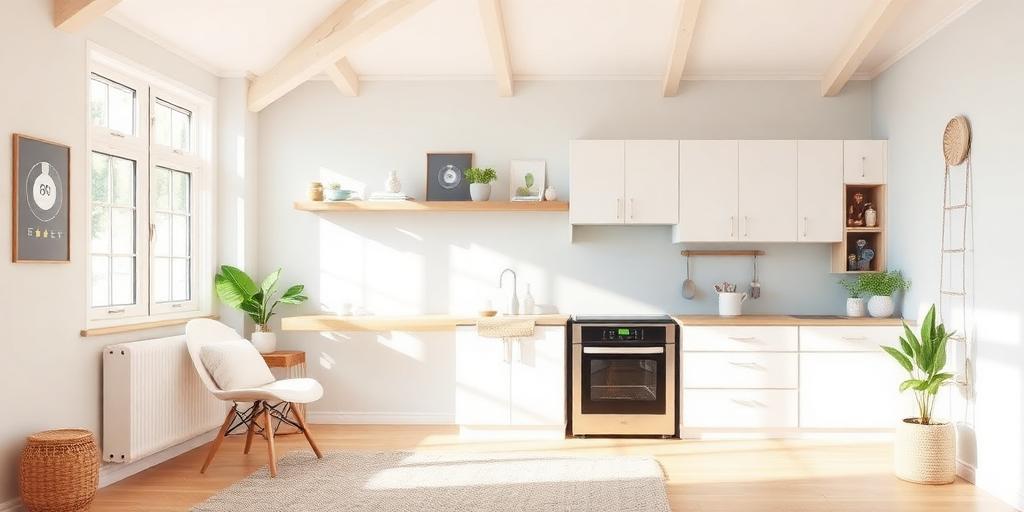
Making your home more energy-efficient is not only beneficial for the environment but also for your wallet. By implementing a few key changes, you can significantly reduce your energy consumption and lower your utility bills. This guide provides practical steps to enhance your home's energy efficiency.
Understanding Energy Consumption
Before making changes, it's crucial to understand where your home is losing energy. Common culprits include:
- Poor Insulation: Inadequate insulation in walls, attics, and basements can lead to significant heat loss in winter and heat gain in summer.
- Air Leaks: Gaps around windows, doors, and electrical outlets allow drafts, making your HVAC system work harder.
- Inefficient Appliances: Old appliances consume more energy than newer, energy-efficient models.
- Lighting: Traditional incandescent bulbs waste energy by producing heat instead of light.
Practical Steps to Improve Energy Efficiency
1. Improve Insulation
Proper insulation is crucial for maintaining a consistent temperature inside your home. Consider the following:
- Attic Insulation: Adding insulation to your attic is one of the most effective ways to reduce energy loss.
- Wall Insulation: Insulating exterior walls can significantly reduce heat transfer.
- Basement Insulation: If you have a basement, insulating the walls can help maintain a comfortable temperature.
2. Seal Air Leaks
Sealing air leaks can prevent drafts and reduce the strain on your HVAC system. Here's how:
- Caulk Windows and Doors: Apply caulk to seal gaps around window and door frames.
- Weatherstrip Doors: Install weatherstripping to prevent air from leaking through gaps around doors.
- Seal Outlets and Switches: Use foam gaskets to seal air leaks around electrical outlets and switches.
3. Upgrade Appliances
Replacing old appliances with energy-efficient models can significantly reduce your energy consumption. Look for the Energy Star label when purchasing new appliances. Consider upgrading:
- Refrigerator: A new, energy-efficient refrigerator can use significantly less energy than an older model.
- Washing Machine: High-efficiency washing machines use less water and energy.
- Dishwasher: Energy Star dishwashers use less water and electricity.
4. Use Energy-Efficient Lighting
Switching to energy-efficient lighting can dramatically reduce your electricity consumption. Options include:
- LED Bulbs: LED bulbs use up to 75% less energy and last much longer than incandescent bulbs.
- Compact Fluorescent Lamps (CFLs): While CFLs are more efficient than incandescent bulbs, LEDs are generally a better choice due to their longer lifespan and better light quality.
5. Install a Smart Thermostat
A smart thermostat can help you regulate your home's temperature more efficiently. These thermostats learn your habits and adjust the temperature accordingly. Key features include:
- Programmable Schedules: Set different temperatures for different times of the day.
- Remote Control: Adjust the temperature from your smartphone or tablet.
- Energy Reports: Track your energy usage and identify areas for improvement.
6. Maintain Your HVAC System
Regular maintenance of your HVAC system can ensure it operates efficiently. Actions include:
- Change Air Filters: Replace air filters regularly to improve airflow and efficiency.
- Schedule Professional Maintenance: Have your HVAC system inspected and tuned up annually.
7. Use Energy-Efficient Window Treatments
Window treatments can help regulate the amount of sunlight and heat entering your home. Options include:
- Blinds and Shades: Close blinds and shades during the hottest part of the day to block sunlight.
- Curtains: Use insulated curtains to reduce heat transfer through windows.
8. Unplug Electronics
Many electronics continue to consume energy even when they are turned off. Unplug devices or use power strips to cut off the power supply when not in use.
Conclusion
Making your home more energy-efficient involves a combination of improvements, from insulation and sealing air leaks to upgrading appliances and using smart technology. By implementing these steps, you can create a more comfortable living environment while reducing your environmental impact and saving money on your energy bills. Start with an energy audit to identify the areas where your home is least efficient and prioritize the most impactful improvements.


