
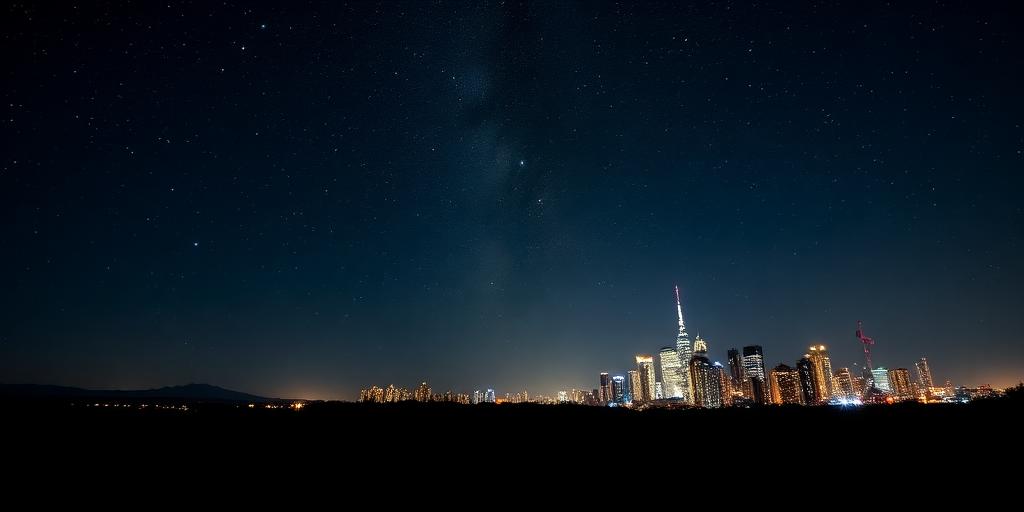
Protecting Our Night Skies: The Fight Against Light Pollution
Light pollution, the excessive or misdirected use of artificial light, is increasingly recognized as a significant environmental problem. It not only obscures our view of the stars but also has far-reaching consequences for human health, wildlife, and energy consumption. This post delves into the multifaceted impacts of light pollution and explores the growing movement to combat it.
What is Light Pollution?
Light pollution comes in various forms:
- Skyglow: The brightening of the night sky over inhabited areas.
- Glare: Excessive brightness that causes visual discomfort.
- Light Trespass: Light falling where it is not intended or needed.
- Clutter: Bright, confusing, and excessive groupings of light sources.
These forms of light pollution are primarily caused by inefficient or poorly designed lighting fixtures that emit light in all directions, including upwards into the sky.
Impacts on Human Health
Exposure to artificial light at night can disrupt our circadian rhythms, which regulate sleep-wake cycles and hormone production. Studies have linked light pollution to:
- Sleep disorders
- Increased risk of certain cancers
- Metabolic disorders
- Mental health issues
Minimizing exposure to blue light from electronic devices and using blackout curtains in bedrooms are some ways to mitigate these effects.
Effects on Wildlife
Light pollution poses a serious threat to many animal species. Migratory birds become disoriented by artificial lights, leading to collisions with buildings. Sea turtles rely on dark beaches to lay their eggs, and artificial lighting can deter them or disorient hatchlings, leading them away from the ocean. Insects are also attracted to lights, disrupting their natural behaviors and food chains.
Energy Consumption and Economic Costs
Inefficient outdoor lighting wastes significant amounts of energy, contributing to greenhouse gas emissions and increasing energy costs. By adopting smarter lighting practices, communities can reduce energy consumption and save money.
What Can Be Done?
Addressing light pollution requires a multi-pronged approach:
- Use shielded lighting: Fixtures that direct light downwards reduce skyglow and glare.
- Choose appropriate light levels: Use only the amount of light needed for the task.
- Use energy-efficient bulbs: LEDs use significantly less energy than traditional bulbs.
- Turn off lights when not needed: Simple measures like turning off outdoor lights at night can make a big difference.
- Support dark sky initiatives: Organizations like the International Dark-Sky Association (IDA) work to protect dark skies through education and advocacy.
The Growing Dark Sky Movement
Across the globe, communities are recognizing the importance of preserving natural darkness. Dark Sky Parks and Reserves are being established to protect areas with exceptional starry skies. These areas often implement strict lighting regulations and offer educational programs to raise awareness about light pollution.
Conclusion
Protecting our night skies is essential for human health, wildlife conservation, and energy efficiency. By understanding the impacts of light pollution and adopting responsible lighting practices, we can preserve the beauty of the night sky for future generations. Join the fight against light pollution and help restore the darkness.


