
How Technology is Enhancing Disaster Preparedness and Early Warning Systems
Disasters, whether natural or man-made, can strike with little to no warning, leaving devastation in their wake. Effective disaster preparedness and early warning systems are crucial for mitigating the impact of these events, protecting lives and property. Fortunately, technology is playing an increasingly significant role in enhancing these systems, making them more accurate, efficient, and accessible.
Advancements in Monitoring and Detection
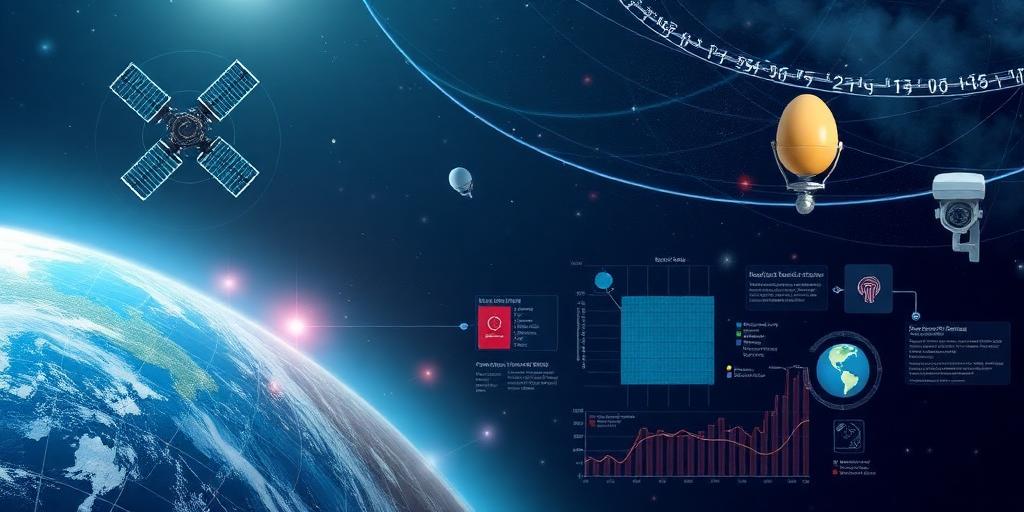
- Satellite Technology: Satellites equipped with advanced sensors can monitor weather patterns, seismic activity, and other environmental factors, providing early indications of potential disasters. For example, weather satellites track developing storms, allowing meteorologists to issue timely warnings.
- Sensor Networks: Ground-based sensor networks, including seismometers, flood gauges, and air quality monitors, provide real-time data on local conditions. These networks can detect subtle changes that might indicate an impending disaster, such as rising water levels or increased seismic activity.
- Drones: Unmanned aerial vehicles (drones) are being used to survey disaster-prone areas, assess damage after an event, and deliver aid to affected communities. Drones equipped with thermal cameras can also help locate survivors in search and rescue operations.
Improved Communication and Alert Systems
- Mobile Technology: Mobile phones have become ubiquitous, making them a powerful tool for disseminating disaster warnings. SMS alerts, mobile apps, and social media platforms can deliver timely information to large populations, even in remote areas.
- Emergency Alert Systems: Government-run emergency alert systems, such as the Emergency Alert System (EAS) in the United States, use television and radio broadcasts to transmit urgent warnings to the public. These systems are often used to announce severe weather alerts, evacuation orders, and other critical information.
- Social Media: Social media platforms like Twitter and Facebook have become important sources of information during disasters. Emergency responders and government agencies use these platforms to share updates, warnings, and resources with the public. However, it's crucial to verify information from social media sources before acting on it.
Data Analysis and Predictive Modeling
- Big Data Analytics: The vast amounts of data generated by monitoring systems, communication networks, and social media can be analyzed using big data analytics techniques. This analysis can help identify patterns, predict the likelihood of future disasters, and optimize emergency response efforts.
- Artificial Intelligence (AI): AI algorithms can be used to develop predictive models that forecast the path and intensity of storms, the likelihood of earthquakes, and the spread of wildfires. These models can provide valuable lead time for evacuations and other preparedness measures.
- Geographic Information Systems (GIS): GIS technology is used to map disaster-prone areas, identify vulnerable populations, and plan evacuation routes. GIS can also be used to assess damage after a disaster and coordinate relief efforts.
Challenges and Future Directions
While technology has greatly enhanced disaster preparedness and early warning systems, several challenges remain:
- Data Integration: Integrating data from various sources can be complex and challenging. Data standards and interoperability are needed to ensure that different systems can communicate with each other.
- Accessibility: Ensuring that early warning systems are accessible to all populations, including those with disabilities and those who do not have access to technology, is crucial. This may require the use of multiple communication channels and culturally appropriate messaging.
- Public Awareness: Even the most advanced warning systems are ineffective if people are not aware of them or do not know how to respond to warnings. Public education and awareness campaigns are essential for promoting disaster preparedness.
In the future, we can expect to see even greater use of technology in disaster preparedness and early warning systems. This includes the development of more sophisticated monitoring and detection technologies, the use of AI to improve predictive modeling, and the creation of more personalized and targeted warning systems. By embracing these advancements, we can better protect ourselves from the devastating impacts of disasters.


