
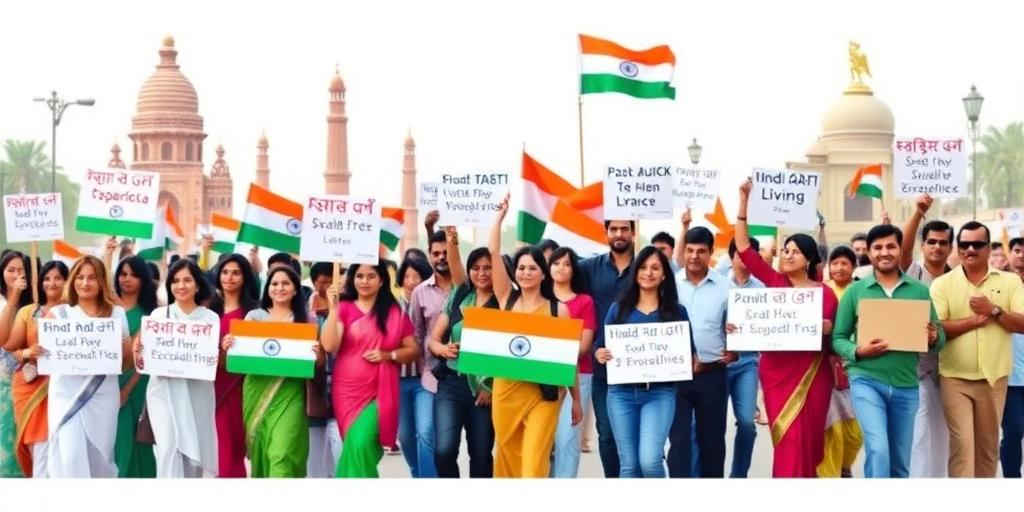
The Impact of Social Justice Movements on Indian Politics
Social justice movements in India have significantly reshaped the political landscape, advocating for marginalized communities and challenging systemic inequalities. These movements address a range of issues, including caste discrimination, religious freedom, gender equality, and economic disparities.
Historical Context
India's history is marked by deep-rooted social hierarchies. The caste system, in particular, has been a major source of discrimination and inequality. Social justice movements have emerged as a response to these historical injustices, aiming to create a more equitable society.
Key Social Justice Movements
- Anti-Caste Movements:
- Dalit Movements: Led by figures like B.R. Ambedkar, these movements fought against caste discrimination and advocated for the rights of Dalits (formerly known as "untouchables").
- Backward Classes Movements: These movements sought to uplift other marginalized castes, demanding reservations in education and employment.
- Farmers' Movements:
- Farmers in India have organized numerous movements to address issues such as land rights, fair pricing for agricultural produce, and debt relief.
- These movements often mobilize large numbers of people and can exert significant pressure on the government.
- Women's Rights Movements:
- Indian women's movements have campaigned for gender equality, addressing issues such as domestic violence, sexual harassment, and equal representation in politics and the workforce.
- These movements have been instrumental in bringing about legal reforms and raising awareness about women's rights.
- Environmental Movements:
- Environmental movements in India have focused on protecting forests, rivers, and other natural resources.
- These movements often involve local communities who are directly affected by environmental degradation and displacement.
Impact on Indian Politics
- Policy Changes:
- Social justice movements have influenced the formulation and implementation of policies aimed at addressing inequality and promoting social inclusion.
- Examples include reservation policies, land reform laws, and legislation to protect the rights of marginalized communities.
- Political Representation:
- These movements have increased the political representation of marginalized groups, both in elected office and in government institutions.
- Political parties have also been forced to address the concerns of these groups in their platforms and policies.
- Public Discourse:
- Social justice movements have shaped public discourse, raising awareness about social issues and challenging dominant narratives.
- They have also created spaces for marginalized voices to be heard and amplified.
- Electoral Outcomes:
- In some cases, social justice movements have directly influenced electoral outcomes, mobilizing voters and supporting candidates who champion their cause.
- Political parties that ignore the demands of these movements risk alienating significant segments of the population.
Challenges and Future Directions
Despite their successes, social justice movements in India continue to face significant challenges.
- Resistance from vested interests: Powerful economic and social groups often resist efforts to redistribute resources and challenge existing power structures.
- Divisions within movements: Internal divisions based on caste, religion, or ideology can weaken the effectiveness of these movements.
- State repression: Governments may use repressive measures to suppress dissent and silence activists.
Moving forward, social justice movements in India need to:
- Build broader coalitions: Forge alliances with other social movements and civil society organizations to increase their collective strength.
- Promote inclusive leadership: Ensure that marginalized groups are represented in leadership positions within the movements.
- Utilize digital technologies: Leverage social media and other digital tools to mobilize support and raise awareness.
Conclusion
Social justice movements have played a crucial role in shaping Indian politics, advocating for a more just and equitable society. While significant challenges remain, these movements continue to be a powerful force for change, pushing for policy reforms, increased political representation, and a more inclusive public discourse. Their ongoing efforts are essential for realizing the promise of social justice for all Indians.


