
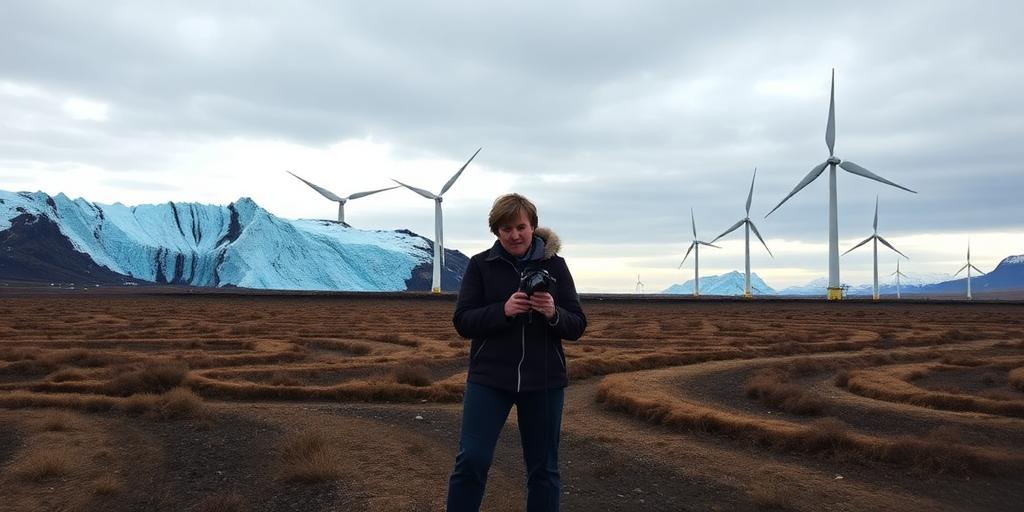
Environmental journalism plays a crucial role in educating the public about pressing environmental issues. It serves as a bridge between scientific research and public understanding, translating complex data into accessible information. This form of journalism covers a wide array of topics, including climate change, deforestation, pollution, biodiversity loss, and sustainable practices. By reporting on these issues, environmental journalists inform citizens, policymakers, and businesses, enabling them to make informed decisions.
One of the primary functions of environmental journalism is to raise awareness. Many environmental problems are often unseen or misunderstood by the general public. Through investigative reporting, in-depth features, and multimedia storytelling, environmental journalists bring these issues to light. They highlight the impacts of human activities on the environment and the potential consequences for future generations. For example, investigative pieces on deforestation can reveal the loss of critical habitats and the contribution to climate change, prompting consumers to reconsider their purchasing habits.
Moreover, environmental journalism holds industries and governments accountable. By scrutinizing environmental policies, regulations, and corporate practices, journalists can expose negligence, corruption, and greenwashing. This accountability is essential for ensuring that environmental laws are enforced and that companies are held responsible for their environmental impact. Public pressure, driven by informed reporting, can lead to policy changes, corporate reforms, and increased environmental protection.
Environmental journalism also plays a vital role in promoting solutions. While highlighting problems is important, it is equally crucial to showcase sustainable practices, innovative technologies, and successful conservation efforts. By reporting on renewable energy projects, eco-friendly initiatives, and community-based conservation programs, journalists inspire action and provide models for others to follow. This solution-oriented approach can empower individuals and communities to take meaningful steps towards a more sustainable future.
However, environmental journalism faces several challenges. Limited resources, political interference, and industry pressure can hinder the ability of journalists to report freely and accurately. Additionally, communicating complex scientific information in an engaging and accessible manner requires specialized skills and expertise. Overcoming these challenges requires support from media organizations, educational institutions, and the public.
In conclusion, environmental journalism is an indispensable tool for informing the public and driving environmental action. By raising awareness, holding stakeholders accountable, and promoting solutions, it empowers individuals and communities to make informed decisions and contribute to a more sustainable world. Investing in and supporting environmental journalism is essential for ensuring a healthy planet for current and future generations.


