
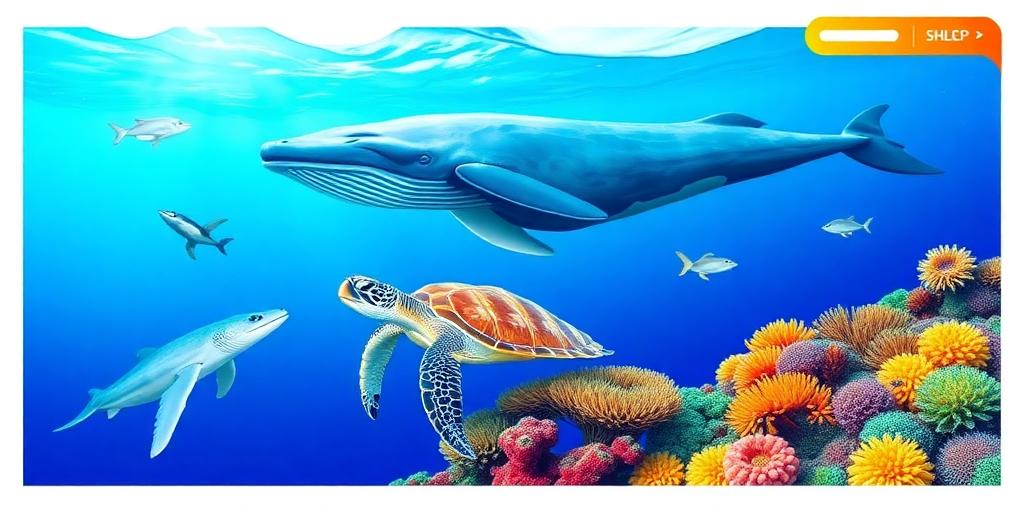
Protecting Endangered Ocean Species: Whales, Turtles, and More
The world's oceans are home to a vast array of life, from the smallest plankton to the largest whales. However, many of these species are facing unprecedented threats, pushing them to the brink of extinction. This article explores the plight of endangered ocean species, with a focus on whales, turtles, and other vulnerable marine animals, and outlines what can be done to protect them.
The State of Our Oceans
Our oceans are under immense pressure from human activities. Pollution, overfishing, habitat destruction, and climate change are all contributing to the decline of marine biodiversity. These factors not only impact individual species but also disrupt entire ecosystems, leading to long-term consequences for the health of our planet.
Whales: Majestic Giants in Peril
Whales, the gentle giants of the sea, face numerous threats. Commercial whaling, although largely curtailed, continues in some parts of the world. Entanglement in fishing gear, ship strikes, and noise pollution also pose significant dangers to whale populations.
Conservation Efforts:
- International Agreements: Organizations like the International Whaling Commission (IWC) work to regulate whaling and promote whale conservation.
- Marine Protected Areas: Establishing protected areas where whales can feed, breed, and migrate safely is crucial.
- Reducing Ship Strikes: Implementing measures to reduce ship speeds and rerouting shipping lanes can minimize collisions with whales.
Sea Turtles: Ancient Mariners at Risk
Sea turtles, ancient mariners that have roamed the oceans for millions of years, are also in dire need of protection. All seven species of sea turtles are classified as endangered or threatened. They face threats such as habitat loss, plastic pollution, entanglement in fishing gear, and climate change.
Conservation Efforts:
- Beach Protection: Protecting nesting beaches from development and human disturbance is essential for sea turtle survival.
- Reducing Plastic Pollution: Addressing plastic pollution through waste reduction and cleanup efforts is vital to prevent sea turtles from ingesting harmful debris.
- Fisheries Management: Implementing turtle-friendly fishing practices, such as using circle hooks and turtle excluder devices (TEDs), can reduce accidental capture.
Other Endangered Ocean Species
Besides whales and turtles, many other marine species are at risk. These include:
- Sharks and Rays: Overfishing, habitat destruction, and finning (the practice of removing a shark's fins and discarding the body) are major threats.
- Seabirds: Pollution, climate change, and entanglement in fishing gear are endangering many seabird species.
- Coral Reefs: Coral reefs, often called the rainforests of the sea, are highly vulnerable to climate change, pollution, and destructive fishing practices.
What Can Be Done?
Protecting endangered ocean species requires a multifaceted approach involving individuals, communities, governments, and international organizations.
Individual Actions:
- Reduce Your Carbon Footprint: Take steps to minimize your contribution to climate change, such as using public transportation, conserving energy, and supporting renewable energy sources.
- Reduce Plastic Use: Avoid single-use plastics, recycle properly, and participate in beach cleanups.
- Support Sustainable Seafood: Choose seafood that is harvested sustainably to reduce the impact on marine ecosystems.
Community and Government Actions:
- Advocate for Stronger Environmental Policies: Support legislation that protects marine habitats and regulates fishing practices.
- Invest in Marine Research: Funding research on marine species and ecosystems is essential for understanding and addressing threats.
- Promote Marine Education: Raising awareness about the importance of ocean conservation can inspire action and change behavior.
Conclusion
Protecting endangered ocean species is a critical task that requires collective effort. By understanding the threats these species face and taking action to mitigate them, we can ensure that future generations have the opportunity to marvel at the wonders of the ocean.


