
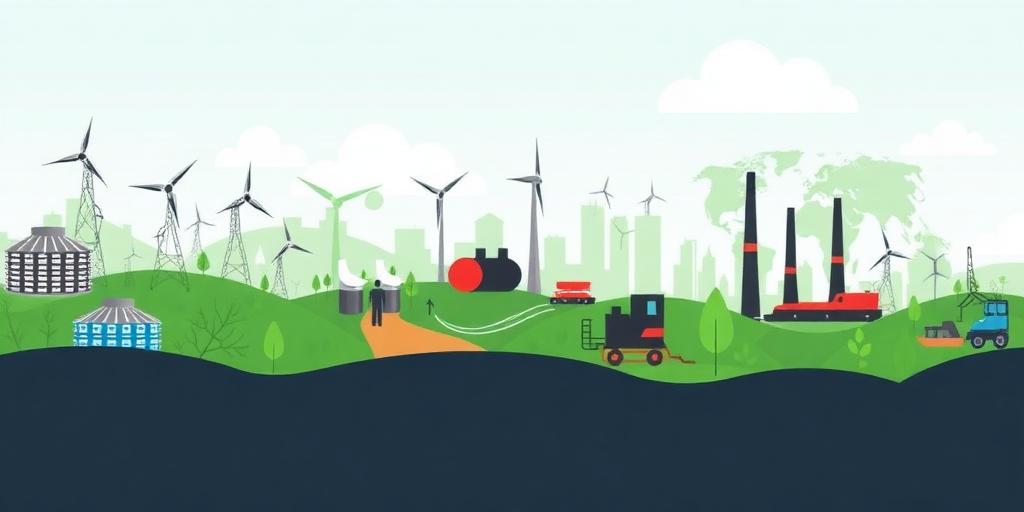
Transitioning to a green economy presents numerous challenges that require careful consideration and strategic planning. While the long-term benefits of a sustainable economy are undeniable, the path to achieving it is fraught with obstacles.
One of the primary challenges is the significant upfront investment required. Renewable energy infrastructure, such as solar farms and wind turbines, demands substantial capital. Retrofitting existing buildings to improve energy efficiency and developing sustainable transportation systems also necessitate large financial commitments. These investments can be a barrier, especially for developing nations and smaller businesses.
Another hurdle is the potential for job displacement in traditional industries. As economies shift away from fossil fuels, workers in these sectors may face unemployment. It is crucial to implement retraining programs and create new job opportunities in the green sector to mitigate this impact. This includes investing in education and skills development to prepare the workforce for emerging green technologies.
Technological limitations also pose a challenge. While renewable energy technologies have advanced significantly, they are not yet as reliable or efficient as traditional energy sources in all contexts. Energy storage solutions, such as advanced batteries, are still under development and need further improvement to ensure a stable and consistent energy supply. Innovation and research are essential to overcome these limitations.
Policy and regulatory frameworks play a vital role in facilitating the transition to a green economy. Governments need to establish clear and consistent policies that incentivize sustainable practices and discourage environmentally harmful activities. This includes carbon pricing mechanisms, regulations on emissions, and subsidies for renewable energy. International cooperation is also necessary to address global challenges such as climate change.
Public awareness and acceptance are crucial for the success of a green economy. Many people are unaware of the benefits of sustainable practices or are resistant to changing their lifestyles. Education campaigns and community engagement initiatives can help raise awareness and promote behavior change. It is important to demonstrate the economic and social benefits of a green economy to gain broader support.
Finally, ensuring a just transition is essential. The costs and benefits of transitioning to a green economy should be distributed equitably across all segments of society. This means addressing the needs of vulnerable populations and ensuring that they are not disproportionately affected by the changes. Social safety nets and targeted support programs can help mitigate any negative impacts.
In conclusion, transitioning to a green economy is a complex undertaking that requires addressing financial, social, technological, and policy challenges. By implementing strategic solutions and fostering collaboration among governments, businesses, and individuals, we can overcome these obstacles and create a more sustainable and prosperous future.


