
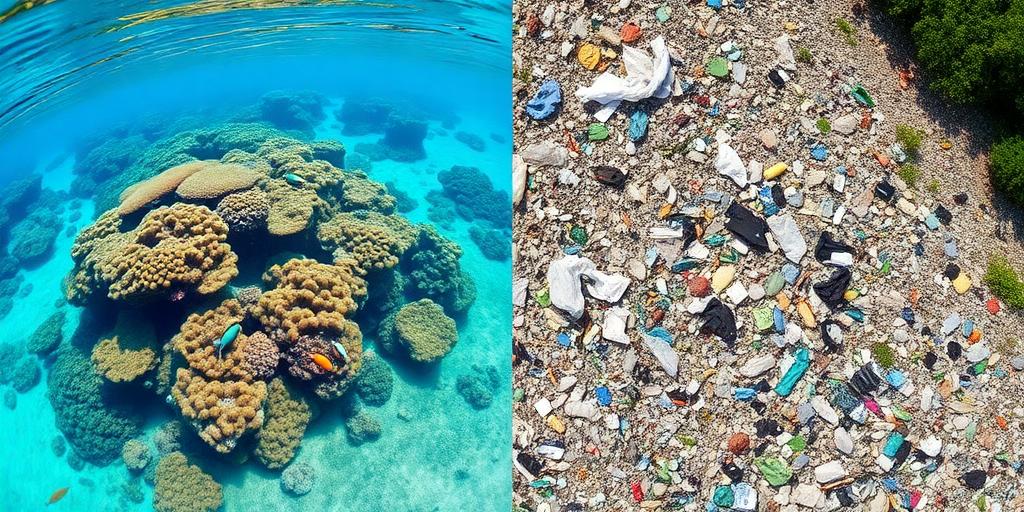
The Impact of Tourism on Fragile Ecosystems
Tourism, while often celebrated for its economic benefits and cultural exchange, can exert significant pressure on fragile ecosystems. These ecosystems, characterized by their sensitivity to environmental changes, face a multitude of threats stemming from tourism-related activities. Understanding these impacts is crucial for promoting sustainable tourism practices that minimize harm and preserve these valuable natural resources.
Direct Environmental Impacts
- Habitat Destruction: The construction of hotels, resorts, roads, and other infrastructure to support tourism often leads to the direct destruction of natural habitats. This can displace native species, reduce biodiversity, and fragment ecosystems.
- Pollution: Tourism generates various forms of pollution, including air and water pollution. Transportation, energy consumption, and waste disposal contribute to air pollution, while sewage discharge, boat traffic, and improper waste management contaminate water sources. Plastic waste, a pervasive problem in many tourist destinations, poses a significant threat to marine life and ecosystems.
- Resource Depletion: Tourism can strain local resources, particularly water and energy. Increased demand for water can deplete aquifers and rivers, leading to water scarcity and ecosystem degradation. Similarly, the energy required to power hotels, restaurants, and transportation systems can contribute to greenhouse gas emissions and climate change.
- Disturbance of Wildlife: Tourists' activities, such as hiking, wildlife viewing, and recreational sports, can disrupt animal behavior, breeding patterns, and feeding habits. Noise pollution, light pollution, and direct human interaction can stress animals and alter their natural routines.
Indirect Environmental Impacts
- Introduction of Invasive Species: Tourists can inadvertently introduce invasive species to fragile ecosystems. These species, often carried on clothing, shoes, or luggage, can outcompete native species, disrupt food webs, and alter ecosystem structure and function.
- Increased Risk of Wildfires: In areas with dry climates, tourism can increase the risk of wildfires. Campfires, discarded cigarettes, and vehicle exhaust can ignite dry vegetation, leading to devastating fires that destroy habitats and release harmful pollutants into the atmosphere.
- Climate Change: Tourism contributes to climate change through greenhouse gas emissions from transportation, accommodation, and other activities. Climate change, in turn, exacerbates the vulnerability of fragile ecosystems, leading to coral bleaching, sea-level rise, and changes in species distribution.
Social and Economic Impacts
- Cultural Commodification: Tourism can lead to the commodification of local cultures, where traditions and customs are altered or performed for the entertainment of tourists. This can erode cultural authenticity and devalue traditional practices.
- Displacement of Local Communities: In some cases, tourism development can lead to the displacement of local communities from their land. This can disrupt traditional livelihoods, create social tensions, and exacerbate inequalities.
- Economic Dependence: While tourism can generate revenue for local communities, it can also create economic dependence. Over-reliance on tourism can make communities vulnerable to economic downturns, natural disasters, and other external shocks.
Mitigating the Impacts of Tourism
- Sustainable Tourism Practices: Implementing sustainable tourism practices is essential for minimizing the negative impacts of tourism on fragile ecosystems. This includes promoting responsible travel behavior, supporting eco-friendly businesses, and investing in conservation efforts.
- Environmental Regulations: Governments can play a crucial role in regulating tourism activities and protecting fragile ecosystems. This includes establishing protected areas, implementing environmental impact assessments, and enforcing environmental regulations.
- Community Involvement: Engaging local communities in tourism planning and management is essential for ensuring that tourism benefits local people and protects the environment. This includes providing opportunities for local employment, supporting community-based tourism initiatives, and respecting local cultures and traditions.
- Education and Awareness: Raising awareness among tourists, tourism operators, and local communities about the impacts of tourism on fragile ecosystems is crucial for promoting responsible behavior. This can be achieved through educational campaigns, interpretive programs, and public service announcements.
Conclusion
The impact of tourism on fragile ecosystems is a complex issue with far-reaching consequences. By understanding these impacts and implementing sustainable tourism practices, we can minimize harm and preserve these valuable natural resources for future generations. It is our collective responsibility to ensure that tourism contributes to the well-being of both people and the planet.


