
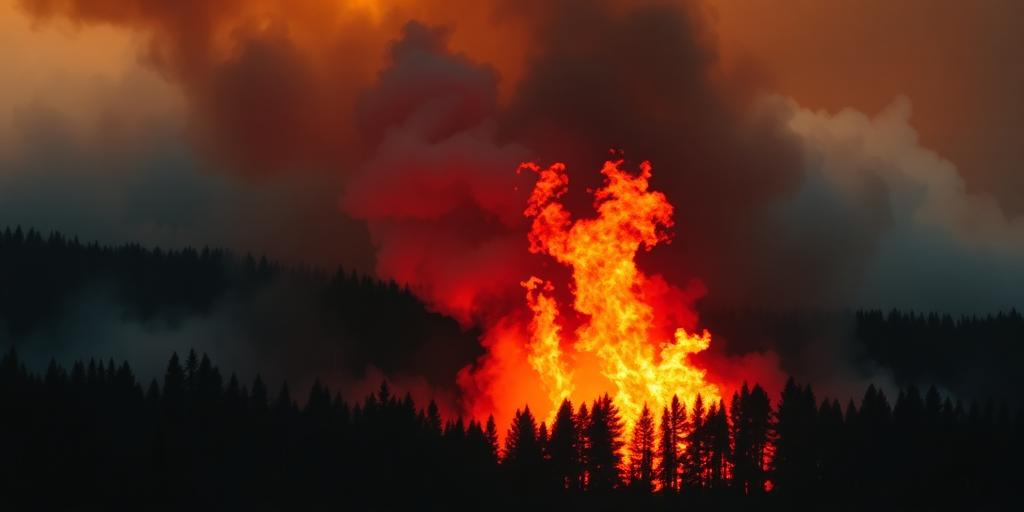
Wildfires are a growing global concern, with significant impacts on both ecosystems and air quality. These blazes, often sparked by human activity or natural causes like lightning, release vast amounts of pollutants into the atmosphere and can drastically alter landscapes. Understanding the multifaceted effects of wildfires is crucial for developing effective mitigation and conservation strategies.
Ecosystem Impacts
Habitat Destruction: Wildfires can obliterate habitats, leaving animals displaced or without food sources. The immediate aftermath often sees a loss of biodiversity as vulnerable species struggle to survive.
Soil Degradation: Intense heat from fires can sterilize soil, killing beneficial microorganisms and reducing its ability to retain water. This can lead to erosion and hinder the regeneration of plant life.
Changes in Vegetation Composition: While some ecosystems are adapted to periodic fires, increased frequency and intensity can shift vegetation types. For example, forests might be replaced by grasslands, altering the entire ecological balance.
Water Quality: Ash and debris from wildfires can contaminate water sources, impacting aquatic life and potentially affecting human water supplies.
Air Quality Impacts
Particulate Matter (PM): Wildfires release large quantities of particulate matter, including PM2.5 and PM10, which can penetrate deep into the lungs and cause respiratory problems.
Greenhouse Gas Emissions: The burning of biomass releases carbon dioxide (CO2), a major greenhouse gas. Wildfires contribute significantly to global carbon emissions, exacerbating climate change.
Other Pollutants: Wildfires also emit other harmful pollutants like nitrogen oxides (NOx), volatile organic compounds (VOCs), and carbon monoxide (CO), which can contribute to smog formation and pose health risks.
Long-Range Transport: Smoke from wildfires can travel thousands of kilometers, affecting air quality in distant regions. This transboundary pollution can impact public health and ecosystems far from the source of the fire.
Mitigation and Management
Prevention: Reducing human-caused ignitions through education and responsible land management practices is essential.
Fuel Management: Strategies like prescribed burns and thinning can reduce the amount of flammable vegetation, limiting the intensity and spread of wildfires.
Early Detection and Rapid Response: Utilizing technologies like satellite monitoring and drone surveillance can help detect fires early, allowing for rapid deployment of firefighting resources.
Community Preparedness: Educating communities about wildfire risks and promoting preparedness measures can reduce the impact on human lives and property.
Policy and Regulations: Implementing and enforcing policies that protect forests and regulate land use can help prevent wildfires and mitigate their effects.
In conclusion, wildfires pose a complex and growing challenge to ecosystems and air quality. By understanding the multifaceted impacts and implementing effective mitigation strategies, we can work towards protecting our environment and public health.


