
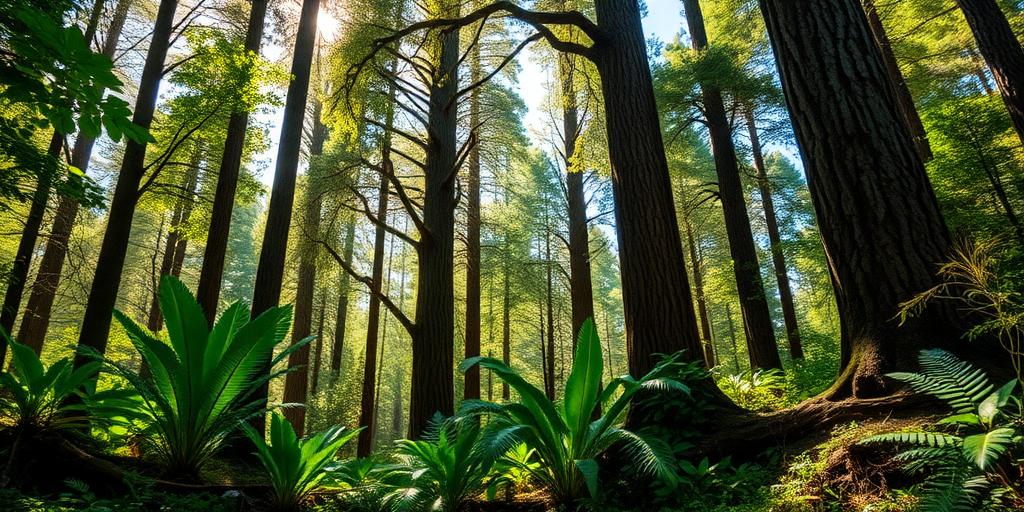
The Importance of Protecting Old-Growth Forests
Old-growth forests, also known as primary or virgin forests, are ecosystems that have remained relatively undisturbed by human activities for centuries. These forests are characterized by their complex structure, biodiversity, and crucial ecological functions. Protecting these invaluable natural resources is essential for the health of our planet.
What are Old-Growth Forests?
Old-growth forests are defined by several key characteristics:
- Age: Trees in these forests are often hundreds, if not thousands, of years old.
- Structure: They have a multi-layered canopy, with trees of varying ages and sizes.
- Biodiversity: These forests support a wide variety of plant and animal species, many of which are unique to these ecosystems.
- Deadwood: Old-growth forests contain significant amounts of dead trees and decaying matter, which provide habitat and nutrients.
Why are Old-Growth Forests Important?
- Biodiversity Hotspots: Old-growth forests are home to a diverse range of species. They provide habitat for endangered species and support complex food webs. Protecting these forests is crucial for maintaining biodiversity.
- Carbon Sequestration: Old-growth forests are excellent carbon sinks, absorbing and storing large amounts of carbon dioxide from the atmosphere. Preserving these forests helps mitigate climate change by reducing greenhouse gas emissions.
- Water Regulation: Forests play a vital role in regulating water cycles. They help filter water, prevent soil erosion, and maintain water quality. Old-growth forests are particularly effective at these functions due to their complex root systems and soil structure.
- Soil Health: The undisturbed soils of old-growth forests are rich in nutrients and organic matter. These soils support plant growth, enhance water infiltration, and reduce the risk of soil degradation.
- Cultural and Recreational Value: Old-growth forests have cultural and recreational significance. They offer opportunities for hiking, camping, and nature appreciation, and they hold spiritual value for many people.
Threats to Old-Growth Forests
Despite their importance, old-growth forests face numerous threats:
- Logging: Commercial logging is a major threat, as old-growth trees are often highly valued for timber.
- Deforestation: Conversion of forests for agriculture, urbanization, and other land uses leads to habitat loss and fragmentation.
- Climate Change: Rising temperatures, altered precipitation patterns, and increased frequency of wildfires and pests can damage or destroy old-growth forests.
- Mining and Resource Extraction: Mining activities can disrupt forest ecosystems and pollute water sources.
How Can We Protect Old-Growth Forests?
Protecting old-growth forests requires a multifaceted approach:
- Establishing Protected Areas: Creating national parks, wilderness areas, and other protected areas helps safeguard old-growth forests from logging, development, and other threats.
- Sustainable Forest Management: Implementing sustainable logging practices can reduce the impact of timber harvesting on old-growth forests.
- Combating Climate Change: Reducing greenhouse gas emissions and mitigating the impacts of climate change are essential for protecting old-growth forests.
- Raising Awareness: Educating the public about the importance of old-growth forests and the threats they face can help build support for conservation efforts.
- Supporting Conservation Organizations: Organizations dedicated to forest conservation play a critical role in protecting old-growth forests through research, advocacy, and on-the-ground conservation efforts.
Conclusion
Protecting old-growth forests is essential for biodiversity, climate stability, water resources, and cultural heritage. By understanding the importance of these ecosystems and taking action to conserve them, we can ensure that future generations will continue to benefit from these invaluable natural treasures.


