
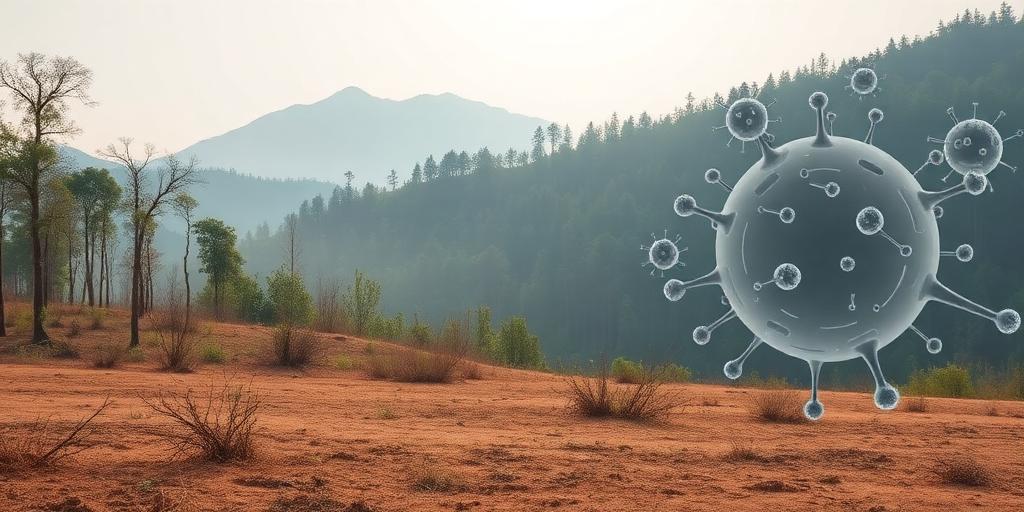
Deforestation, the clearing of forests for other land uses, has far-reaching consequences that extend beyond the loss of trees. One critical impact is the increased risk of zoonotic diseases – illnesses that can be transmitted from animals to humans. This article explores the link between deforestation and the emergence and spread of these diseases.
What are Zoonotic Diseases?
Zoonotic diseases are caused by pathogens like viruses, bacteria, parasites, and fungi that jump from animal hosts to humans. Some well-known examples include rabies, Lyme disease, West Nile virus, and, more recently, COVID-19. While zoonotic diseases have always existed, their frequency and impact are growing due to factors like habitat destruction and climate change.
How Deforestation Increases the Risk
Habitat Loss and Species Displacement: When forests are cleared, animals lose their natural habitats, forcing them to move into closer proximity with humans. This increases the chances of contact and potential pathogen spillover.
Reduced Biodiversity: Forests are complex ecosystems with a wide variety of species. Deforestation often leads to a reduction in biodiversity, with certain species becoming dominant. This can create conditions where disease vectors, like mosquitoes or rodents, thrive and spread pathogens more efficiently.
Altered Human-Animal Interactions: Deforestation can drive humans to encroach further into previously forested areas for agriculture, logging, or mining. This increases the likelihood of direct contact with wild animals and their pathogens.
Weakened Ecosystem Services: Forests play a vital role in regulating climate, water cycles, and disease transmission. Deforestation disrupts these ecosystem services, making environments more susceptible to disease outbreaks.
Examples of Deforestation-Linked Zoonotic Diseases
Malaria: Deforestation can alter mosquito breeding habitats, leading to an increase in mosquito populations and, consequently, malaria transmission in certain areas.
Lyme Disease: The clearing of forests can reduce the populations of natural predators of deer, leading to an increase in deer populations and, consequently, Lyme disease cases.
Ebola: Studies have linked deforestation in West Africa to an increased risk of Ebola outbreaks, as habitat loss brings humans into closer contact with bats, a potential reservoir of the virus.
COVID-19: While the exact origins of COVID-19 are still under investigation, some researchers believe that deforestation and habitat destruction in Asia may have played a role in the emergence and spread of the virus.
What Can Be Done?
Addressing the link between deforestation and zoonotic diseases requires a multi-faceted approach:
Sustainable Land Management: Promoting sustainable agriculture, forestry practices, and land-use planning can reduce deforestation and its impacts.
Habitat Conservation and Restoration: Protecting existing forests and restoring degraded areas can help maintain biodiversity and reduce human-animal contact.
Disease Surveillance: Strengthening disease surveillance programs in areas at high risk of deforestation can help detect and respond to outbreaks early.
Public Awareness: Raising awareness about the link between deforestation and zoonotic diseases can help promote responsible behavior and support for conservation efforts.
Conclusion
Deforestation is not just an environmental issue; it's a public health issue. By understanding the link between deforestation and zoonotic diseases, we can take steps to protect our health and the health of our planet. Sustainable land management, habitat conservation, and disease surveillance are essential tools in this effort.


