
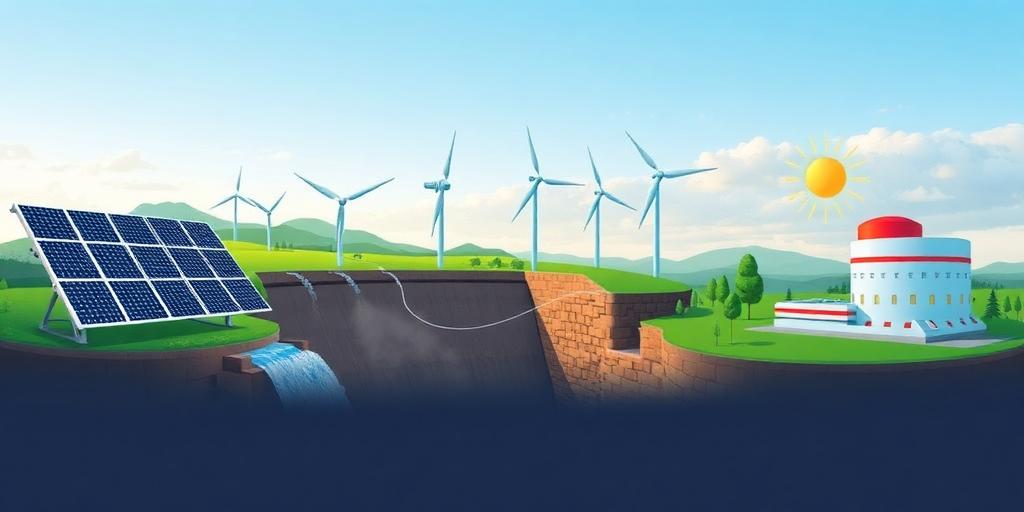
Renewable energy sources are becoming increasingly important as the world seeks to reduce its reliance on fossil fuels and mitigate the impacts of climate change. These energy sources are naturally replenished and have a lower environmental impact compared to traditional fossil fuels. This article will explore the different types of renewable energy, their benefits, and how they work.
Solar Energy
Solar energy is derived from the sun's radiation. It can be harnessed through various technologies, including:
- Photovoltaic (PV) Cells: These cells convert sunlight directly into electricity using semiconductors. PV systems range from small-scale residential installations to large solar farms.
- Concentrated Solar Power (CSP): CSP systems use mirrors to focus sunlight onto a receiver, which heats a fluid to produce steam. The steam drives a turbine to generate electricity.
- Solar Thermal Systems: These systems use sunlight to heat water or air for residential or commercial heating and cooling.
Wind Energy
Wind energy is harnessed from the kinetic energy of moving air. Wind turbines convert this kinetic energy into electricity. Wind farms, consisting of many turbines, are often located in areas with consistent and strong winds. Wind energy is one of the fastest-growing renewable energy sources worldwide.
Hydropower
Hydropower, or hydroelectric power, uses the energy of moving water to generate electricity. This is typically achieved through:
- Large Hydropower Dams: Dams create reservoirs, and the water released from the reservoir flows through turbines, generating electricity.
- Small Hydropower Systems: These systems generate electricity from smaller streams or rivers without the need for large dams.
- Pumped Storage Hydropower: This method stores energy by pumping water from a lower reservoir to a higher reservoir during off-peak hours, then releasing it to generate electricity during peak demand.
Geothermal Energy
Geothermal energy taps into the Earth's internal heat. This heat can be used for:
- Geothermal Power Plants: These plants extract steam or hot water from underground reservoirs to drive turbines and generate electricity.
- Geothermal Heat Pumps: These pumps use the stable temperature of the Earth to provide heating and cooling for buildings.
- Direct Use Applications: Geothermal energy can also be used directly for heating greenhouses, aquaculture farms, and industrial processes.
Biomass Energy
Biomass energy is derived from organic matter, such as plants and agricultural waste. It can be converted into energy through various methods:
- Combustion: Burning biomass to produce heat, which can then be used to generate electricity or provide direct heating.
- Gasification: Converting biomass into a gas, which can be used in gas turbines or fuel cells.
- Anaerobic Digestion: Breaking down biomass in the absence of oxygen to produce biogas, which can be used as a fuel.
Tidal Energy
Tidal energy harnesses the energy of tides to generate electricity. Tidal power plants can be constructed in several ways:
- Tidal Barrages: Dams built across estuaries to capture the energy of tidal flows.
- Tidal Stream Generators: Turbines placed in tidal streams to generate electricity from the moving water.
- Tidal Lagoons: Artificial lagoons built to capture tidal waters, which then flow through turbines.
Benefits of Renewable Energy
Renewable energy offers numerous benefits:
- Environmental Sustainability: Renewable energy sources produce little to no greenhouse gas emissions, reducing the impact on climate change.
- Energy Security: By diversifying energy sources, renewable energy reduces dependence on fossil fuels and enhances energy security.
- Economic Development: The renewable energy sector creates jobs and stimulates economic growth through manufacturing, installation, and maintenance.
- Resource Availability: Renewable energy sources are abundant and naturally replenished, ensuring a sustainable energy supply for future generations.
Conclusion
Understanding the different types of renewable energy is crucial for making informed decisions about energy policy and investments. Each renewable energy source offers unique advantages and can contribute to a more sustainable and resilient energy future. As technology advances and costs decrease, renewable energy will continue to play an increasingly significant role in meeting global energy needs.


