
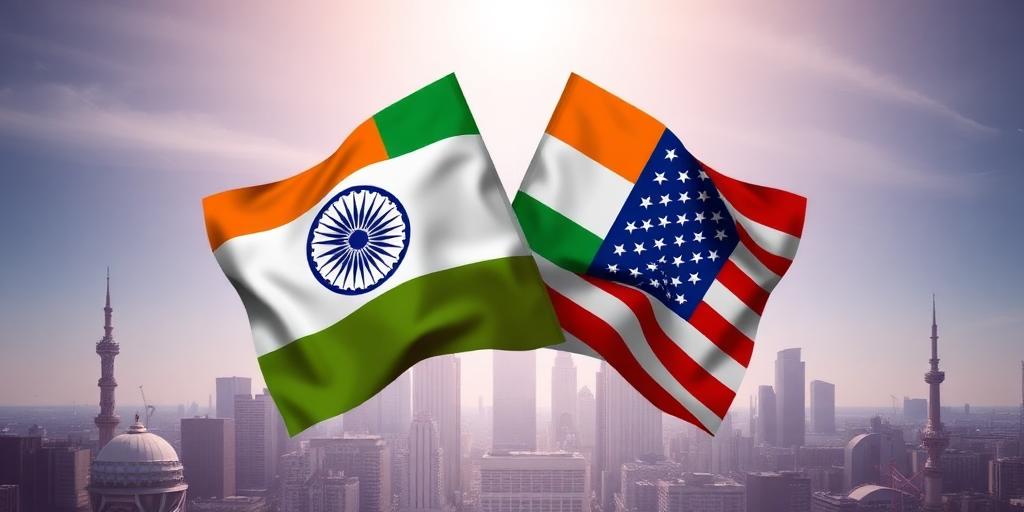
The Future of India-US Political Relations
The relationship between India and the United States has evolved significantly over the past few decades, transforming from a period of estrangement during the Cold War to a strategic partnership in the 21st century. As both nations navigate a complex and rapidly changing global landscape, understanding the future trajectory of their political relations is crucial. This article examines the key factors shaping the India-US partnership, potential areas of cooperation, and the challenges that lie ahead.
Historical Context and Current Dynamics
Historically, the relationship between India and the US was marked by mutual suspicion and differing geopolitical priorities. However, with the end of the Cold War and India's economic liberalization in the 1990s, the two countries found common ground in areas such as counter-terrorism, economic cooperation, and regional stability. Today, the India-US partnership is underpinned by shared values of democracy, pluralism, and a commitment to a rules-based international order.
Key Drivers of the Partnership
Several factors drive the deepening India-US relationship:
- Geopolitical Alignment: Both countries share concerns about the rise of China and its assertive behavior in the Indo-Pacific region. This has led to increased cooperation in maritime security, defense, and intelligence sharing.
- Economic Interdependence: The US is one of India's largest trading partners and a major source of foreign investment. Bilateral trade has grown significantly, and there is potential for further expansion in sectors such as technology, energy, and healthcare.
- Strategic Convergence: India and the US have converging interests in promoting regional stability, combating terrorism, and addressing global challenges such as climate change and pandemics.
- Diaspora Influence: The Indian diaspora in the US has played a significant role in strengthening ties between the two countries, serving as a bridge for cultural exchange and economic cooperation.
Potential Areas of Cooperation
The future of India-US political relations holds immense potential for cooperation in various domains:
- Defense and Security: Strengthening defense cooperation through joint military exercises, technology transfer, and co-production of defense equipment is a key priority. The US has designated India as a Major Defense Partner, facilitating closer collaboration in the defense sector.
- Trade and Investment: Enhancing bilateral trade and investment flows through initiatives such as the US-India Trade Policy Forum and the CEO Forum. Focus areas include reducing trade barriers, promoting intellectual property rights, and fostering innovation.
- Technology and Innovation: Collaborating in cutting-edge technologies such as artificial intelligence, quantum computing, and space exploration. The US-India Science and Technology Endowment Fund supports joint research and development projects.
- Climate Change and Clean Energy: Working together to promote clean energy technologies, reduce greenhouse gas emissions, and enhance climate resilience. India and the US have launched initiatives such as the Partnership to Advance Clean Energy (PACE) to accelerate the deployment of clean energy solutions.
- Healthcare and Pandemic Preparedness: Strengthening cooperation in healthcare research, development, and manufacturing of vaccines and therapeutics. The COVID-19 pandemic has highlighted the importance of collaboration in addressing global health challenges.
Challenges and Obstacles
Despite the positive trajectory of India-US relations, several challenges and obstacles need to be addressed:
- Divergences on Russia: India's continued reliance on Russian military equipment and its neutral stance on the Ukraine conflict have caused some friction with the US.
- Trade Disputes: Trade disputes over issues such as tariffs, market access, and intellectual property rights remain a source of tension.
- Human Rights Concerns: Concerns about human rights issues in India, including religious freedom and treatment of minorities, have been raised by some US lawmakers and advocacy groups.
- Bureaucratic Hurdles: Bureaucratic delays and regulatory complexities in both countries can hinder the implementation of joint projects and initiatives.
Conclusion
The future of India-US political relations is bright, with significant potential for cooperation in various areas. However, both countries need to address the challenges and obstacles that remain. By deepening their strategic partnership, enhancing economic ties, and promoting people-to-people exchanges, India and the US can work together to shape a more stable, prosperous, and secure world. The evolving geopolitical landscape necessitates a strong and resilient India-US partnership, one that is capable of addressing shared challenges and advancing common interests. Continued dialogue, mutual understanding, and a commitment to shared values will be essential for realizing the full potential of this vital relationship.


