
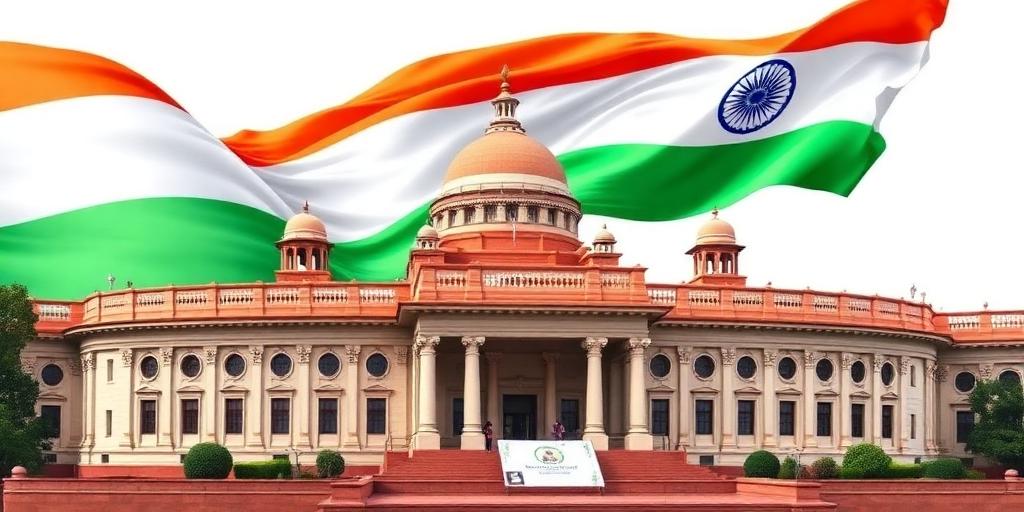
India, the world's largest democracy, stands at a critical juncture. Its parliamentary system, a vibrant tapestry woven with diverse ideologies and socio-political currents, is constantly evolving. This post explores the multifaceted future of India's parliamentary democracy, examining the key debates, challenges, and potential pathways that will shape its trajectory.
The Core Pillars and Evolving Dynamics
At its heart, India's parliamentary democracy rests on the principles of representation, accountability, and the rule of law. The Parliament, comprising the Lok Sabha (House of the People) and the Rajya Sabha (Council of States), serves as the central arena for lawmaking, policy formulation, and government oversight. However, several dynamics are reshaping this landscape:
- Electoral Reforms: Calls for electoral reforms are growing, focusing on issues like campaign finance transparency, curbing the influence of money and muscle power, and ensuring greater representation for marginalized communities.
- Strengthening Parliamentary Committees: Enhancing the effectiveness of parliamentary committees is crucial for in-depth scrutiny of legislation and government policies.
- Digital Governance and Citizen Engagement: Leveraging technology to promote transparency, accountability, and citizen participation is becoming increasingly important.
Key Debates Shaping the Future
Several critical debates are currently shaping the discourse on the future of India's parliamentary democracy:
- The Role of Regional Parties: Regional parties play a significant role in Indian politics, often influencing national policies and coalition governments. The debate centers on how to balance regional aspirations with national interests.
- The Anti-Defection Law: While intended to prevent political instability, the anti-defection law has been criticized for curbing dissent and limiting the freedom of expression of individual parliamentarians.
- Judicial Activism vs. Parliamentary Sovereignty: The relationship between the judiciary and the Parliament remains a subject of debate, particularly concerning the extent of judicial review and the interpretation of constitutional provisions.
Challenges and Opportunities
India's parliamentary democracy faces several challenges:
- Erosion of Democratic Norms: Concerns have been raised about the erosion of democratic norms, including declining parliamentary sessions, disruptions in legislative proceedings, and the suppression of dissent.
- Social Polarization: Rising social polarization along religious, caste, and linguistic lines poses a threat to inclusive governance and social harmony.
- Socio-Economic Disparities: Addressing persistent socio-economic disparities is crucial for ensuring that all citizens have a stake in the democratic process.
Despite these challenges, India's parliamentary democracy also possesses significant opportunities:
- A Young and Aspiring Population: India's young population represents a demographic dividend that can be harnessed to drive economic growth and social progress.
- A Vibrant Civil Society: A strong and active civil society can play a crucial role in holding the government accountable and promoting citizen engagement.
- A Thriving Media Landscape: A free and independent media is essential for informing the public and fostering informed debate.
Pathways to a Stronger Democracy
To fortify India's parliamentary democracy, several pathways can be pursued:
- Promoting Political Literacy: Enhancing political literacy among citizens is essential for informed participation in the democratic process.
- Strengthening Independent Institutions: Ensuring the autonomy and effectiveness of institutions like the Election Commission, the Comptroller and Auditor General, and the Central Vigilance Commission is crucial for upholding accountability.
- Fostering Inclusive Governance: Promoting inclusive governance that addresses the needs and aspirations of all sections of society is essential for social cohesion and stability.
Conclusion
The future of India's parliamentary democracy hinges on its ability to adapt to changing times, address emerging challenges, and harness its inherent strengths. By fostering a culture of dialogue, promoting inclusive governance, and upholding the principles of representation, accountability, and the rule of law, India can ensure that its parliamentary system continues to serve as a beacon of democracy in the world.


