
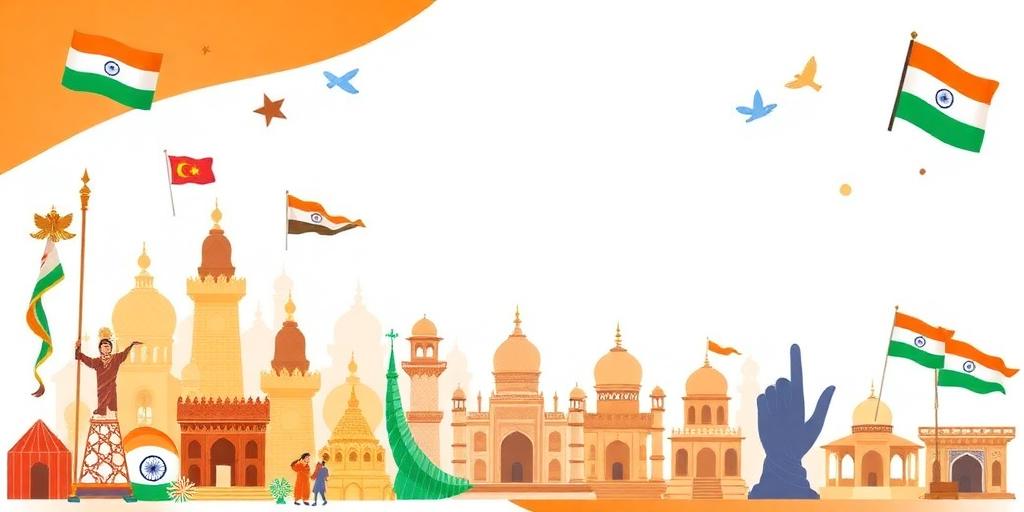
The Interplay of Religion, Culture, and Politics in India
India, a land of unparalleled diversity, presents a complex tapestry woven with threads of religion, culture, and politics. These three elements are not isolated entities but are deeply intertwined, influencing and shaping each other in a dynamic and often unpredictable manner. Understanding this interplay is crucial for comprehending the socio-political landscape of India.
Historical Context
Historically, religion has played a central role in shaping Indian culture and politics. The Vedic period, the rise of various philosophical schools like Buddhism and Jainism, and the subsequent Bhakti movement have all left indelible marks on the cultural and political ethos of the country. The arrival of Islam in India further added to this complexity, leading to both syncretism and conflict. The colonial era witnessed the rise of nationalism, often intertwined with religious identities, setting the stage for the independent nation-state.
Religious Diversity
India is home to a multitude of religions, including Hinduism, Islam, Sikhism, Christianity, Buddhism, and Jainism, among others. Each religion has its own set of beliefs, practices, and traditions, contributing to the country's rich cultural heritage. However, this diversity also presents challenges, as religious identities can become politicized, leading to social divisions and conflicts.
Cultural Expressions
Culture in India is deeply influenced by religion, with various art forms, festivals, and social customs reflecting religious beliefs and practices. From the classical dances like Bharatanatyam and Kathak to the vibrant festivals of Diwali, Eid, and Christmas, religion permeates every aspect of cultural life. Moreover, regional variations in culture further add to the complexity, with each region having its own unique traditions and customs.
Political Manifestations
The intersection of religion and politics in India is a sensitive and often contentious issue. Religious identities have been used to mobilize political support, leading to the formation of political parties based on religious ideologies. This has resulted in communal tensions and conflicts, posing a challenge to the secular fabric of the nation. The debate over secularism in India revolves around the question of how the state should engage with religion, with varying interpretations leading to different approaches.
Contemporary Challenges
In contemporary India, the interplay of religion, culture, and politics continues to shape the nation's trajectory. Issues such as religious freedom, minority rights, and the role of religion in public life remain central to political discourse. The rise of religious nationalism and the increasing polarization of society pose significant challenges to the country's democratic values and social cohesion.
Conclusion
The interplay of religion, culture, and politics in India is a multifaceted phenomenon with deep historical roots. Understanding this interplay is essential for navigating the complexities of Indian society and politics. While religious and cultural diversity enriches the nation's heritage, it also presents challenges that require careful management and a commitment to secular values. As India continues to evolve, the way it addresses these challenges will determine its future as a pluralistic and democratic society.


