
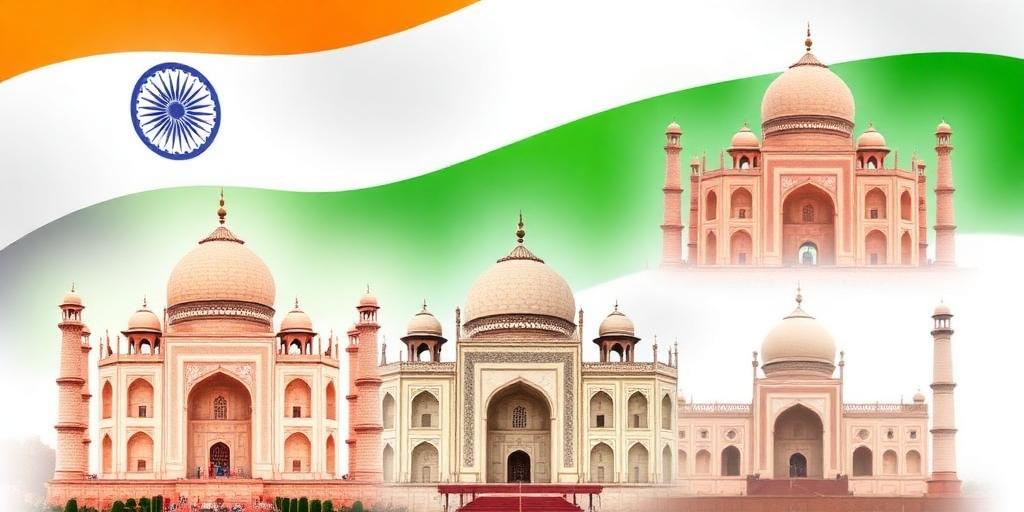
The Politics of Heritage Preservation in India
India, a land brimming with a rich tapestry of cultures, traditions, and historical narratives, faces a complex challenge: preserving its vast heritage in the face of modernization, urbanization, and political agendas. Heritage preservation in India is not merely about maintaining monuments and artifacts; it is deeply intertwined with identity politics, social justice, and economic development.
Understanding Heritage in the Indian Context
Heritage encompasses tangible elements like monuments, archaeological sites, and artifacts, as well as intangible aspects such as traditions, languages, and rituals. In India, heritage is incredibly diverse, reflecting the influences of various empires, religions, and communities that have shaped the country over millennia.
The Role of Government and Legislation
The Archaeological Survey of India (ASI) is the primary government agency responsible for the preservation of ancient monuments and archaeological sites. The Ancient Monuments and Archaeological Sites and Remains Act (AMASR Act) of 1958 provides the legal framework for protecting these sites. However, the implementation of these laws often faces challenges due to inadequate funding, bureaucratic hurdles, and conflicts with developmental projects.
Political Influences on Heritage Preservation
- Identity Politics: Heritage is often used to construct and reinforce national and regional identities. Political parties may selectively promote certain historical narratives while marginalizing others, leading to skewed representations of the past. For example, the focus on certain dynasties or religious figures can overshadow the contributions of other communities.
- Communalism: The preservation of religious sites is particularly sensitive. Disputes over ownership and control of religious structures can escalate into communal tensions, especially when historical claims are contested by different groups. The Babri Masjid demolition in Ayodhya is a stark reminder of how heritage can become a flashpoint in Hindu-Muslim relations.
- Development vs. Preservation: Rapid urbanization and infrastructure development often clash with heritage preservation efforts. The construction of roads, dams, and industrial projects can threaten historical sites. Balancing economic growth with the need to protect cultural heritage requires careful planning and community involvement.
- Tourism and Commodification: Heritage sites are significant tourist attractions, generating revenue and employment. However, the commodification of heritage can lead to its degradation, as sites are often overcrowded and poorly maintained. Moreover, the benefits of tourism may not always reach local communities, exacerbating social inequalities.
Challenges and Controversies
- Encroachment and Illegal Construction: Many historical sites face encroachment from unauthorized construction, leading to their destruction or alteration. Weak enforcement of laws and corruption contribute to this problem.
- Lack of Public Awareness: There is a general lack of awareness among the public about the importance of heritage preservation. Educational initiatives and community engagement are crucial for fostering a sense of ownership and responsibility towards cultural heritage.
- Funding Constraints: The ASI often struggles with limited resources, hindering its ability to effectively protect and maintain historical sites. Increased investment in heritage preservation is essential.
- Conflicting Interests: Conflicts between different stakeholders, including government agencies, private developers, and local communities, can impede preservation efforts. Collaborative approaches and inclusive decision-making processes are necessary to resolve these conflicts.
The Way Forward
Preserving India's heritage requires a multi-faceted approach that addresses the political, social, and economic dimensions of the issue:
- Strengthening Legal Frameworks: The AMASR Act needs to be updated to address contemporary challenges and ensure stricter enforcement of regulations.
- Promoting Inclusive Narratives: Historical narratives should be inclusive and representative of all communities, avoiding selective promotion of certain groups.
- Enhancing Public Awareness: Educational programs and community engagement initiatives can raise awareness about the importance of heritage preservation.
- Investing in Sustainable Tourism: Tourism should be managed in a way that benefits local communities and minimizes the negative impacts on heritage sites.
- Fostering Collaboration: Collaboration between government agencies, private organizations, and local communities is essential for effective heritage preservation.
Conclusion
The politics of heritage preservation in India is a complex and multifaceted issue. By addressing the challenges and controversies surrounding heritage, India can ensure that its rich cultural legacy is protected for future generations. This requires a commitment to inclusive narratives, sustainable practices, and collaborative approaches that prioritize the long-term preservation of India's diverse heritage.


