
The Indispensable Role of Technology in Modern Food Production Safety and Security
In an era defined by rapid technological advancements, the global food industry stands at a pivotal juncture. Ensuring food production safety and security is no longer solely dependent on traditional agricultural practices. Instead, it necessitates the integration of technology across the entire food supply chain. This article explores the multifaceted role of technology in achieving these critical objectives.
Precision Agriculture: Optimizing Production and Reducing Risks
Precision agriculture, also known as smart farming, utilizes a variety of technologies to optimize crop yields while minimizing resource usage. Key components include:
- GPS-guided machinery: Allows for precise planting, fertilization, and harvesting, reducing waste and improving efficiency.
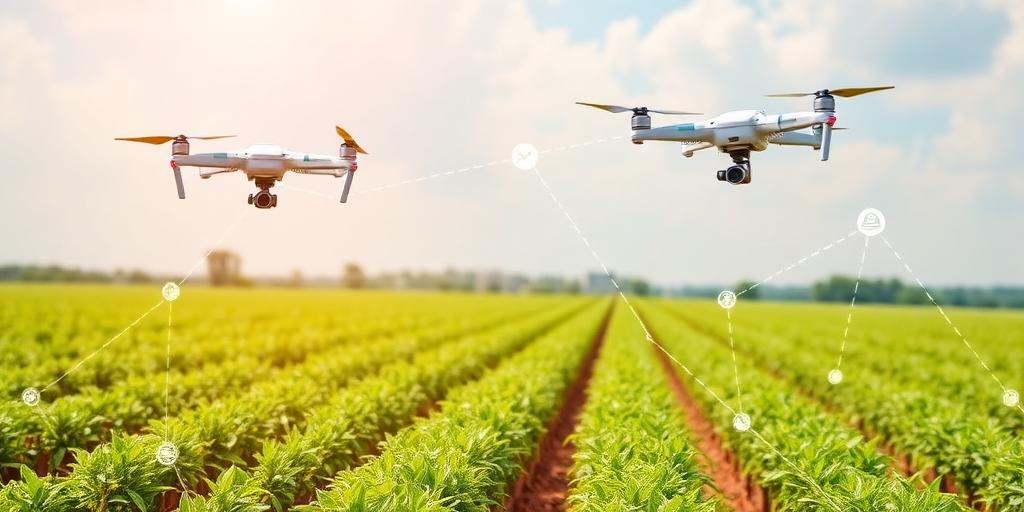
- Remote sensing: Drones and satellites equipped with sensors monitor crop health, soil conditions, and water levels, enabling timely interventions.
- Data analytics: Sophisticated software analyzes data collected from various sources to provide actionable insights for farmers.
By leveraging these technologies, farmers can make data-driven decisions that enhance productivity, reduce environmental impact, and mitigate risks associated with crop failures.
Traceability Systems: Enhancing Food Safety and Transparency
Foodborne illnesses pose a significant threat to public health. Technology plays a crucial role in enhancing food safety through traceability systems that track products from farm to table. Key technologies include:
- Blockchain technology: Provides a secure and transparent ledger for tracking food products throughout the supply chain.
- IoT sensors: Monitor temperature, humidity, and other environmental conditions during transportation and storage, ensuring product integrity.
- QR codes and RFID tags: Enable consumers and retailers to access information about the origin, production methods, and safety certifications of food products.
These traceability systems enable rapid identification and containment of contaminated products, minimizing the impact of foodborne illness outbreaks and enhancing consumer trust.
Biotechnology: Improving Crop Resilience and Nutritional Value
Biotechnology offers powerful tools for improving crop resilience to pests, diseases, and climate change. Genetic engineering and gene editing techniques can:
- Enhance pest resistance: Reducing the need for pesticides and minimizing environmental impact.
- Improve drought tolerance: Enabling crops to thrive in water-scarce regions.
- Increase nutritional content: Fortifying crops with essential vitamins and minerals to combat malnutrition.
While biotechnology remains a subject of debate, its potential to enhance food security and improve human health is undeniable. Responsible regulation and transparent communication are essential to harness its benefits while addressing potential risks.
Food Safety Monitoring Technologies
Advanced sensor technologies are now deployed to monitor food safety parameters in real-time. These include:
- Pathogen detection sensors: Rapidly detect harmful bacteria and viruses in food samples.
- Chemical residue sensors: Monitor pesticide and antibiotic residues to ensure compliance with safety standards.
- Smart packaging: Incorporates sensors to track temperature, humidity, and other factors that affect food quality and safety.
These monitoring technologies enable proactive identification of potential hazards, preventing contaminated products from reaching consumers.
Challenges and Opportunities
While technology offers immense potential for enhancing food production safety and security, several challenges remain:
- Cost: Implementing advanced technologies can be expensive, particularly for small-scale farmers.
- Infrastructure: Reliable internet access and electricity are essential for many technologies to function effectively.
- Skills gap: Farmers and food industry workers need training to operate and maintain advanced technologies.
Addressing these challenges requires collaborative efforts from governments, industry, and research institutions. Investments in infrastructure, education, and technology transfer are essential to ensure that the benefits of technology are accessible to all.
Conclusion
Technology is transforming the food industry, offering unprecedented opportunities to enhance food production safety and security. From precision agriculture to traceability systems and biotechnology, these innovations are enabling us to produce more food with fewer resources, reduce foodborne illnesses, and improve the nutritional value of our diets. By embracing technology and addressing the associated challenges, we can build a more sustainable and resilient food system for the future.


